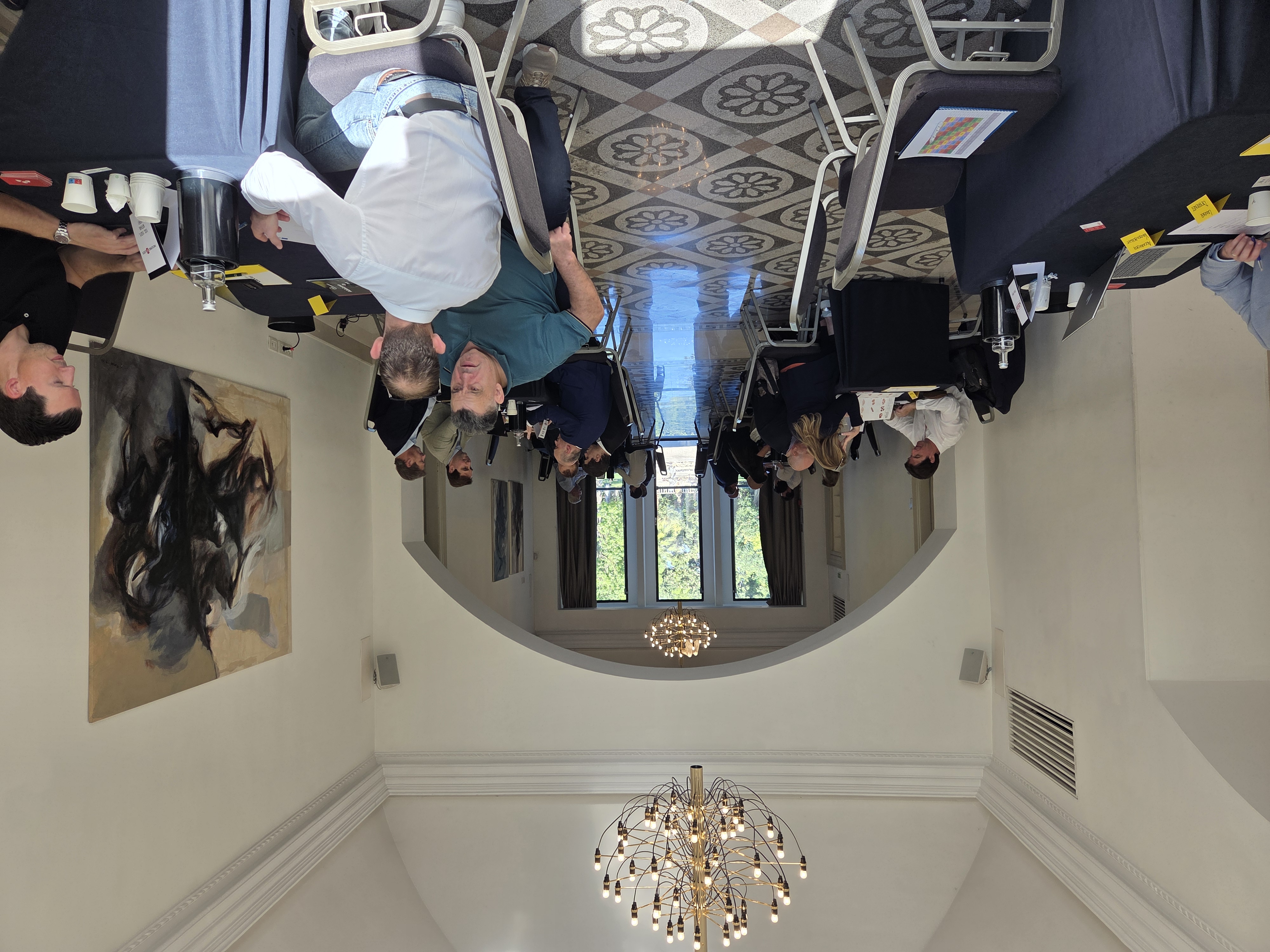
Italy is a major European meat import market, importing more than one million tonnes of pork and close to 400 thousand tonnes of beef annually. For Italian processors and importers, access to reliable European suppliers is therefore essential. Belgian meat exporters can add value through consistent product specifications, flexible cutting, reliable supply and close customer service. Bringing that offer directly to Italian buyers was the objective of a trade mission organised by the Belgian Meat Office, during which seven Belgian meat companies held 105 individual business meetings with fifteen Italian companies in Bari and Rome.
The participating Belgian meat suppliers were Danis Pork Masters, Debra Meat, Delavi, Hemelaer Group, Jademo, Noordvlees and Vanderpoorten representing a large share of Belgian pork and beef production.
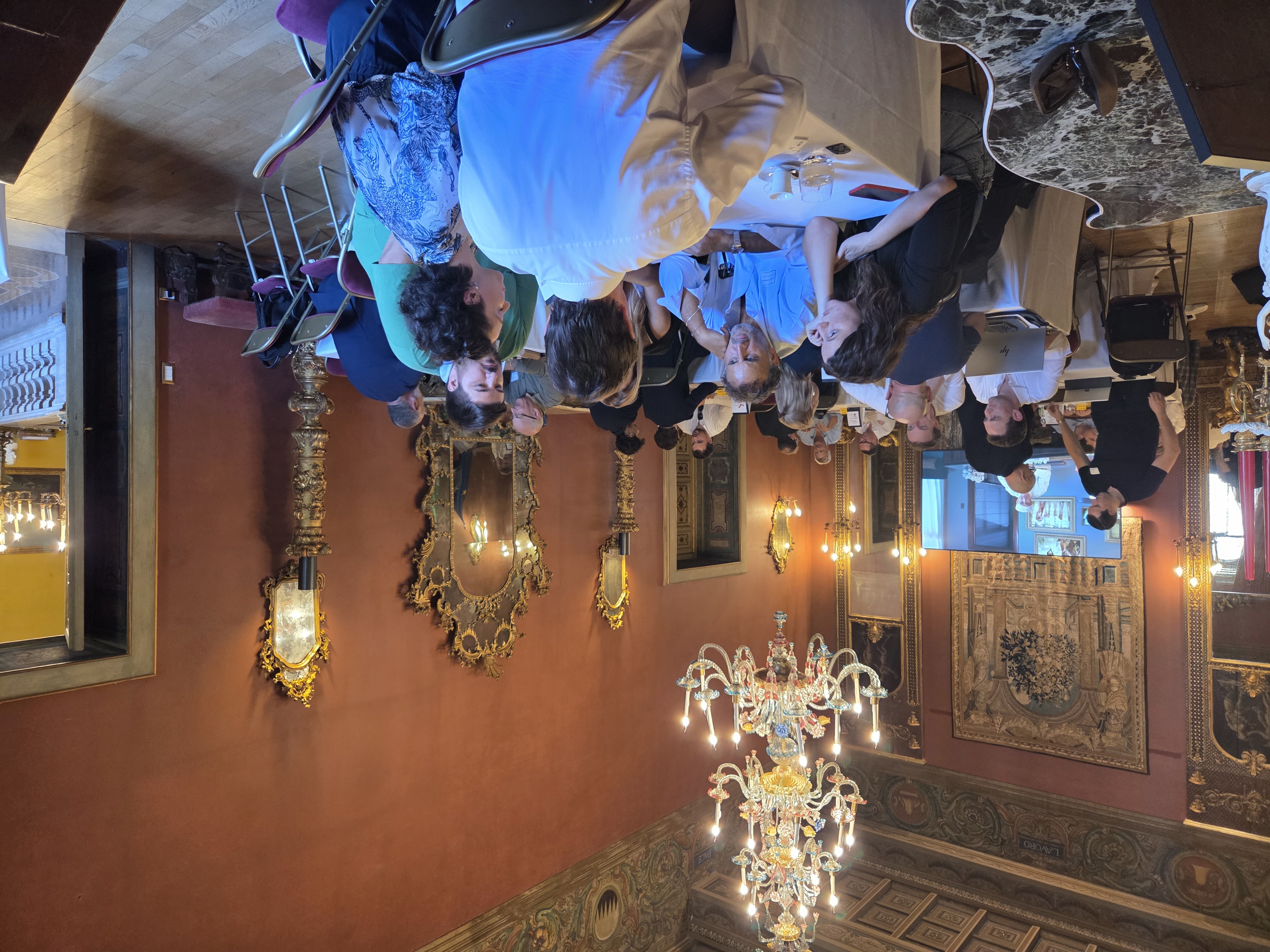
The mission focused on strengthening business relations with the Italian meat sector and exploring new opportunities in the south, with B2B meetings organised in both Bari and Rome. For many of the participating Belgian companies, Northern Italy is already a familiar market. Southern Italy, however, is less well known. The mission offered an opportunity to discover the interest in Belgian meat, as well as the importance attached to quality, craftsmanship and reliable business relationships.
“Face-to-face meetings remain essential, especially in a sector where long-term relationships and a good understanding of each other’s needs make a real difference,” said Joris Coenen, manager of Belgian Meat Office. “For an Italian importer or processor, the advantage of a mission like this is huge: within a short period of time, they can meet the major Belgian suppliers, discuss their exact requirements and explore where there is a commercial fit,” said Coenen.
The business programme was followed by a networking reception hosted at the residence of the Belgian ambassador in Rome, overlooking the Roman Forum and Palatine Hill. Belgian and Italian companies were joined by representatives of the meat sector and public authorities, providing an informal setting in which to continue discussions on trade, cooperation and the challenges facing the meat sector worldwide.

Despite these challenges, the mission also highlighted the strong links between the Belgian and Italian meat industries. Both countries have a long tradition of meat processing and craftsmanship, while their companies increasingly look for reliable partners who understand their specific requirements.
The mission concluded with a clear focus on continued dialogue and cooperation between the two markets. As neighbouring European countries with established expertise in the meat sector, Belgium and Italy have many reasons to keep building on these business connections.
“The 105 meetings were not an endpoint,” Coenen concluded. “They were 105 opportunities to start or deepen a conversation. The real impact will ultimately come when these talks develop into long-term partnerships between Belgian suppliers and Italian customers. And that is exactly what we came for.”